One Day as a Researcher: LIVERATION at the European Researchers’ Night in Barcelona
On Friday 25 September 2026, the Fundació Avedis Donabedian (FAD), the Institut de Recerca Sant Joan de Déu (IRSJD) and the SalvOvar initiative conducted an interactive workshop at CosmoCaixa in Barcelona. This event was part of the European Researchers’ Night (Nit de la Recerca), coordinated by Fundació “la Caixa” and Esciencia.
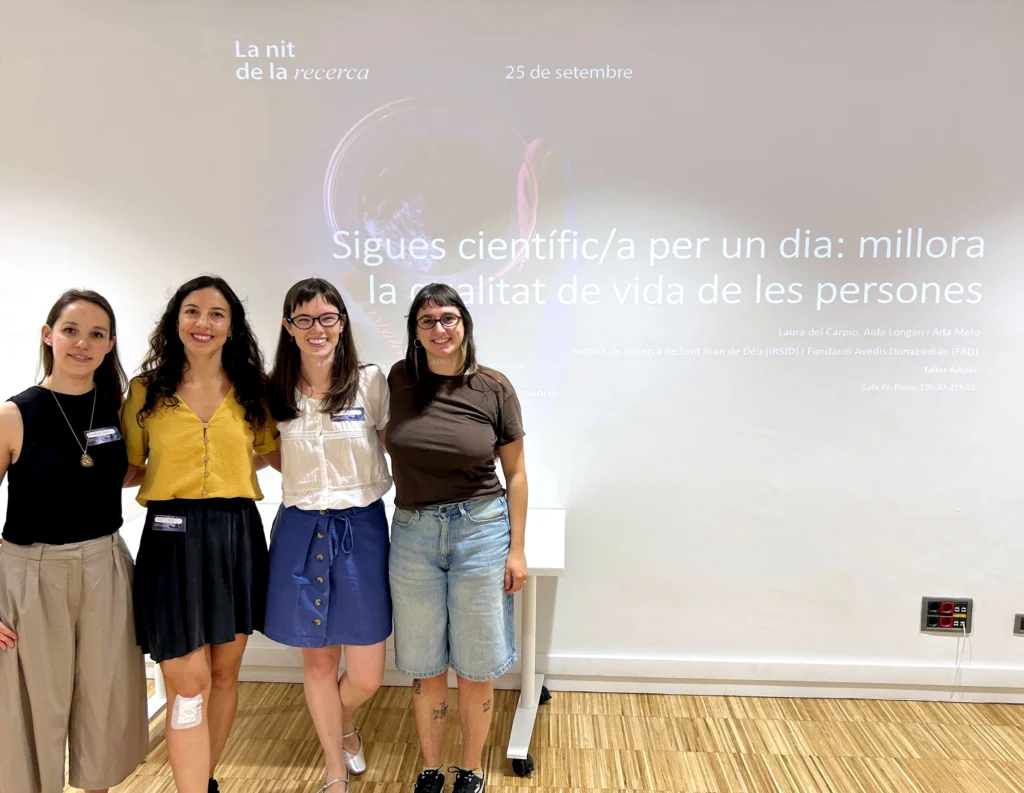
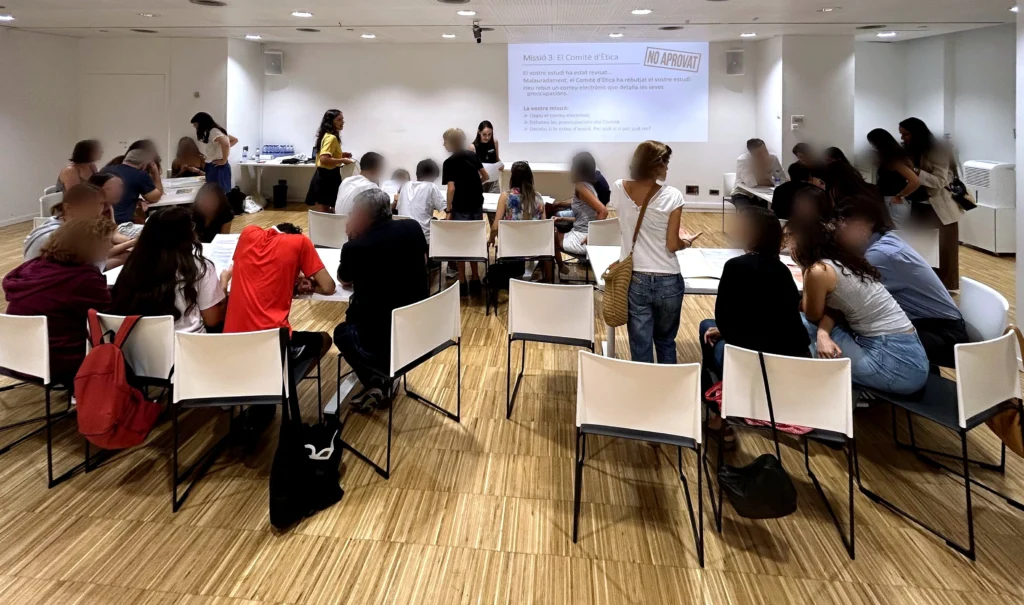
The workshop was titled “Be a Scientist for a Day: Enhance People’s Quality of Life”. Approximately 30 attendees, both adults and teenagers, collaborated in groups as research teams. Their task was to devise a study to determine if a new intervention could enhance the quality of life for individuals living with liver cancer.
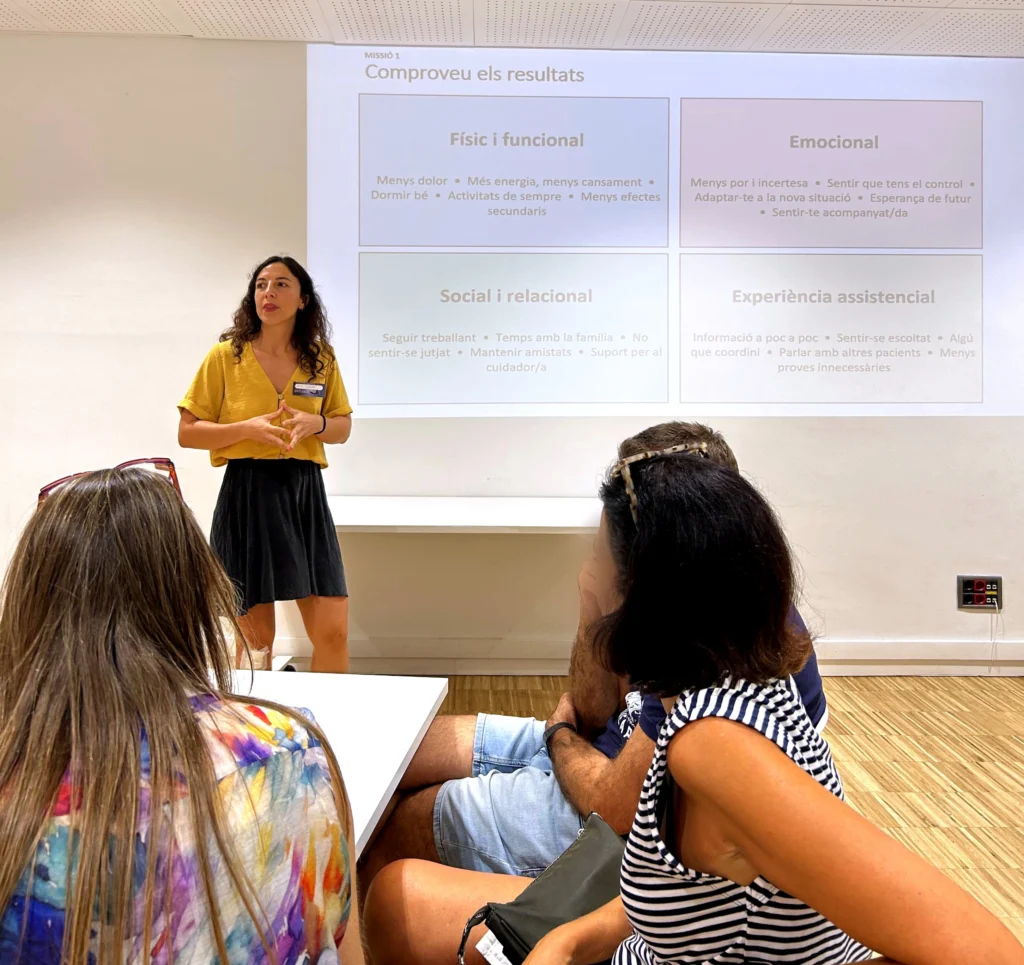
Mission 1: What is Quality of Life? Groups organized cards into four categories identified in studies with cancer patients: physical & functional, emotional, social & relational, and care experience. They also contributed their own thoughts. The conversation quickly revealed that individuals prioritize different aspects.
Mission 2: Designing the Study: Each group selected one aspect of quality of life to investigate, a method for data collection (surveys, interviews, focus groups, weekly journals, blood tests, forums…) and a population for the study, ranging from “200 individuals from my city” to “five nations around the globe”. Then came the twist: surprise cards. “Our funding has been reduced.” “People are unwilling to participate in our study.” “We must produce results in five months.” “A newly published paper contradicts your anticipated results.” Groups had to reconsider their designs on the fly. This became one of the most captivating moments of the evening, as it highlighted the real-world limitations that researchers encounter on a daily basis.
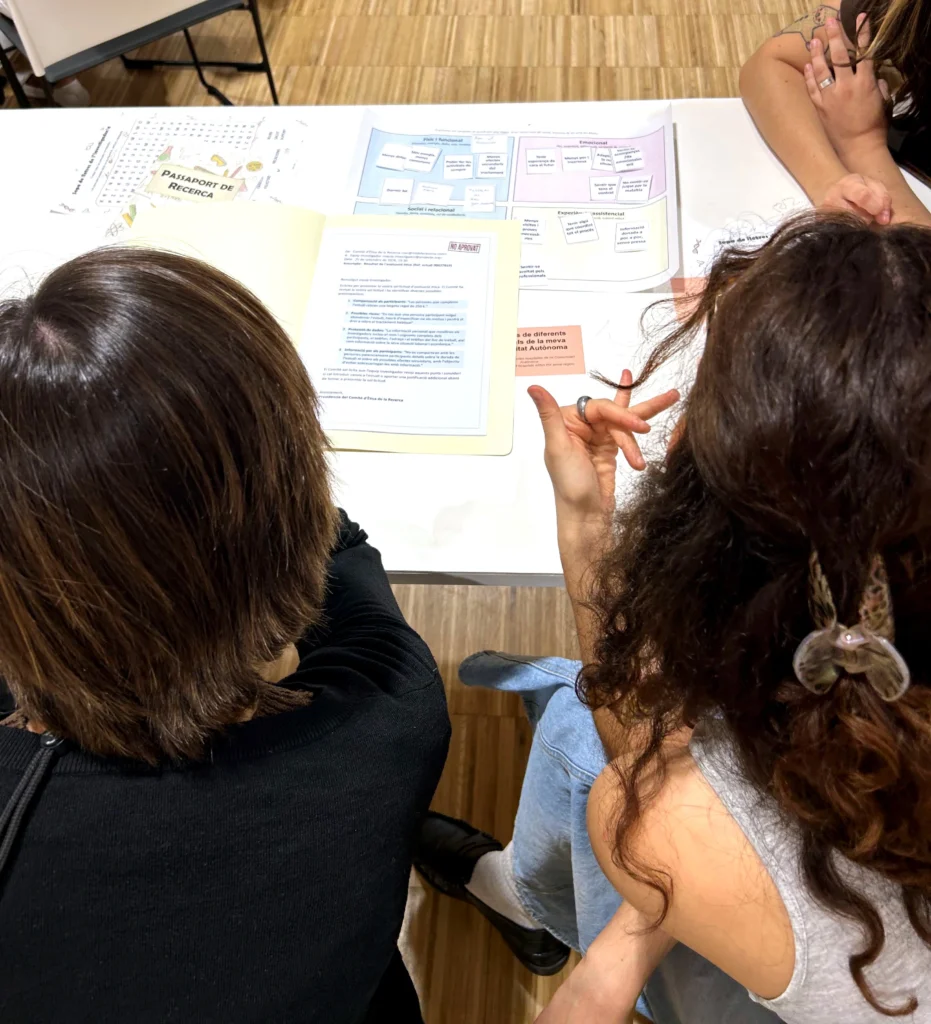
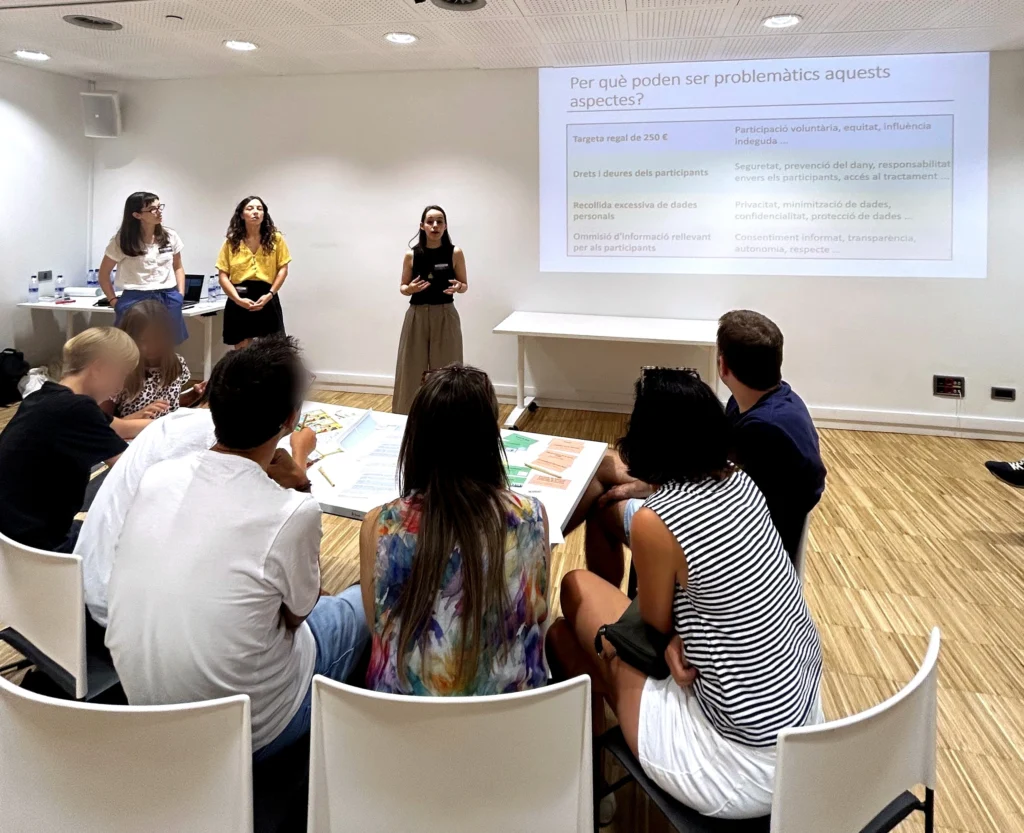
Mission 3: The Ethics Committee: In the end, each study was “denied” by a fictitious ethics committee. Groups reviewed the committee’s concerns and discussed them: informed consent, risks and benefits, data protection, equitable participant selection, and conflicts of interest. They then decided if they concurred and how to enhance their proposals.
Key Insights: Engagement and dialogue were high throughout the session. Participants departed with three key takeaways: clearly define your objective, design your study realistically, and always consider ethics. Most importantly, they recognized that individuals affected by research are crucial in defining what “quality of life” truly signifies. This is fundamental to Liveration’s Living Lab methodology.
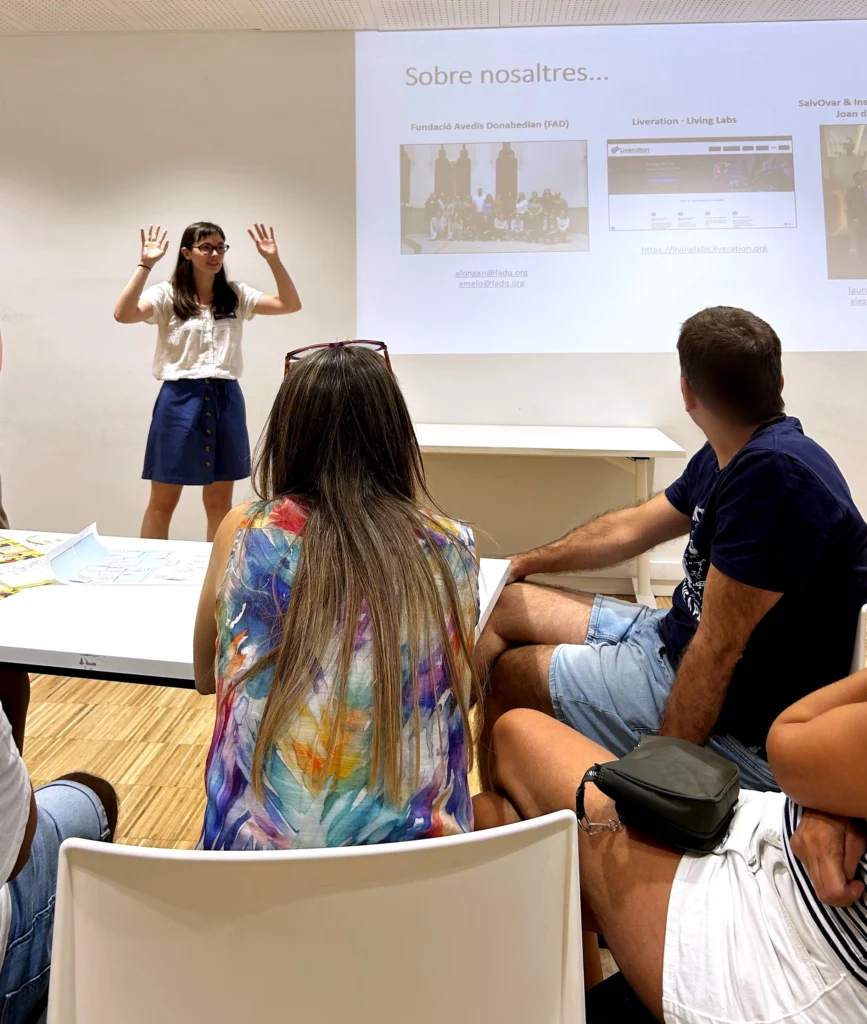
Many thanks to everyone who participated, and to CosmoCaixa, Fundació “la Caixa” and Esciencia for organizing such an excellent event. Workshop team: Laura del Carpio (IRSJD), Aida Longan and Ada Melo (FAD).